Autism is Not a Label: A Creative Expression of Identity
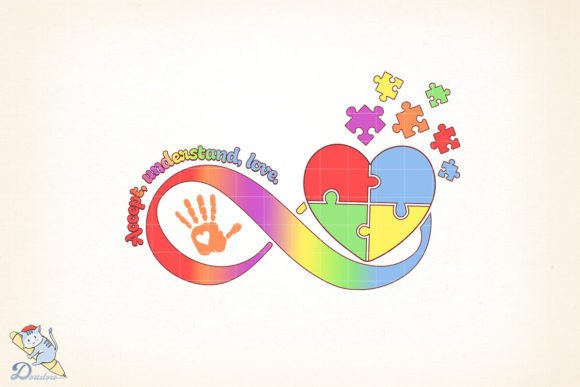
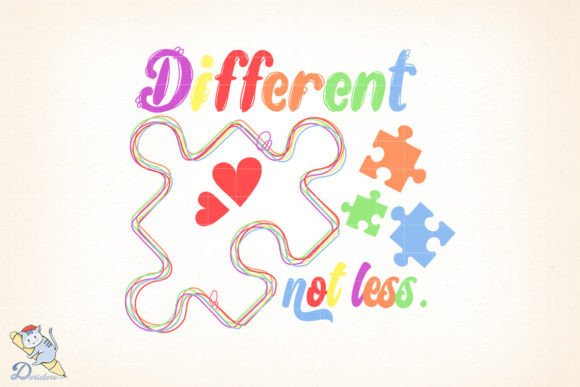
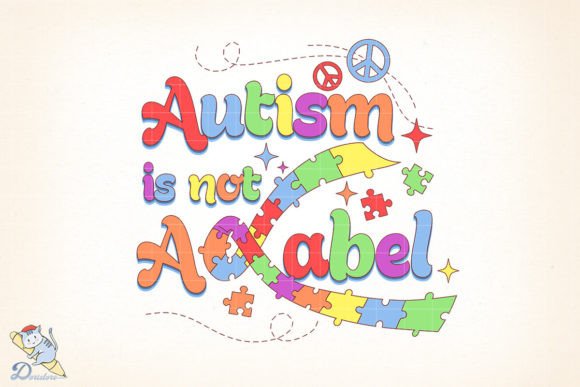
In a world increasingly aware of neurodiversity and the importance of inclusive representation, the phrase Autism is Not a Label has taken on deeper meaning. It's more than a statement—it's a movement toward understanding and embracing the unique perspectives that autistic individuals bring to society. This concept has found a powerful visual counterpart in a hand-drawn illustration created with pen and ink, flowing freely and digitally reproduced to maintain its organic charm. The image, subtly enhanced with watercolor brushes to highlight key elements, serves as both a symbol and a tool for creators, educators, and businesses looking to communicate authenticity and emotional depth.
The Artistic Process: From Sketch to Digital File
Each illustration begins as a freehand drawing, capturing the essence of movement and emotion through flowing ink lines. The artist’s hand guides the pen with intention, creating a piece that feels alive and personal. Once complete, the drawing is scanned and digitally refined to preserve every nuance. Select areas are then colored using digital watercolor brushes, adding warmth and contrast without overwhelming the original sketch. The result is a versatile digital file—specifically a 300 DPI PNG at 4000×4000 pixels—that maintains clarity at any size. This format ensures it can be used across a wide range of applications, from print-on-demand items to digital marketing materials.
Why This Design Resonates Today
Modern audiences are drawn to authenticity, and this handcrafted aesthetic aligns perfectly with current design trends. Minimalism, organic textures, and emotionally resonant visuals are in high demand across creative industries. The Autism is Not a Label illustration bridges the gap between artistic expression and meaningful messaging. It appeals to educators designing inclusive classroom materials, entrepreneurs launching awareness campaigns, and content creators seeking visuals that reflect a broader spectrum of human experience.
Practical Uses for the Digital File
Upon purchase, users receive a single PNG file in a zipped folder, ready for immediate use. Because the image has a transparent background, it can be layered over other designs or integrated into presentations, social media posts, and merchandise without visual disruption. It is especially well-suited for sublimation printing, waterslide transfers, and standard print methods, making it ideal for:
- Custom apparel and accessories
- Classroom posters and educational aids
- Mental health and advocacy campaigns
- Personalized gifts and keepsakes
- Website banners and digital content
While the file does not include cutting paths or vector formats, its high resolution ensures compatibility with most print and design software. Users should be aware that color representation may vary slightly across devices and printers, so test prints are recommended for professional applications.
How the Concept Fits Into Broader Conversations
The growing recognition that Autism is Not a Label reflects a larger cultural shift toward person-first language and inclusive design. More than ever, professionals across industries—from educators to marketers—are rethinking how they represent neurodiversity. Visuals like this illustration help normalize diverse experiences without reducing them to stereotypes. The organic, hand-drawn nature of the artwork invites connection and empathy, qualities that resonate deeply in today’s values-driven market.
Evolving Perspectives on Autism and Design
Historically, autism has often been framed through clinical or medical lenses, focusing on diagnosis and treatment rather than identity and expression. Today, there is a stronger emphasis on listening to autistic voices and recognizing autism as a part of human diversity. This shift has influenced not only how autism is discussed but also how it is visually represented. Illustrations like this one reflect that evolution—moving away from clinical icons and toward expressive, inclusive imagery that speaks to lived experience.
Designing for Accessibility and Emotional Impact
For designers and content creators, incorporating inclusive visuals is no longer optional—it’s expected. The Autism is Not a Label illustration offers a subtle yet powerful way to align with these expectations. Its flowing lines and soft watercolor accents make it visually engaging without sensory overload, which is especially important for audiences with sensory sensitivities. This kind of thoughtful design not only improves accessibility but also enhances emotional resonance, making the message more memorable and impactful.
What to Consider Before Using the File
While the PNG format offers versatility, it’s important to understand its limitations. Since it does not include vector or cutting files, users who require scalable vector graphics or machine-readable cut lines for laser cutting or CNC work may need to convert or trace the image separately. Additionally, because the file is a digital instant download, buyers should ensure they have a stable internet connection and sufficient storage space. As with any print project, color calibration across devices and printers is recommended to maintain visual consistency.
Bringing Meaning to Your Creative Projects
Whether you're a blogger writing about neurodiversity, a small business owner offering inclusive merchandise, or a teacher creating visual aids for your students, this digital illustration offers more than just aesthetic appeal—it carries intention. The message behind Autism is Not a Label encourages deeper understanding and acceptance, and the design itself invites personal interpretation. It’s a reminder that creativity and identity are deeply intertwined, and that even in digital form, art can feel deeply human.