Coffee, Caffeine, and Productivity: How a Daily Ritual Fuels Creative Work
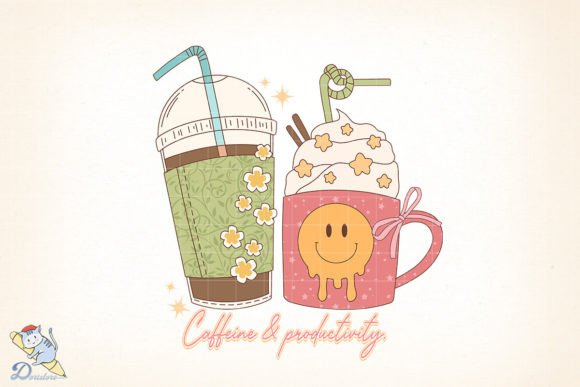
For many professionals, creators, and entrepreneurs, the morning routine often begins with the aroma of freshly brewed coffee. This ritual isn’t just about waking up—it’s about preparing the mind for focus, creativity, and sustained effort. The relationship between coffee, caffeine, and productivity has evolved beyond casual consumption into a deliberate strategy for managing energy and attention throughout the workday.
The Science Behind Caffeine’s Cognitive Boost
Caffeine, the most widely consumed psychoactive substance in the world, works by blocking adenosine receptors in the brain. This action delays fatigue and enhances alertness, making it a go-to tool for professionals needing to stay sharp during long hours of focused work. Studies have shown that moderate caffeine intake can improve reaction time, memory retention, and mood—key components for maintaining productivity in both office and remote environments.
However, the benefits of caffeine aren’t universal. Individual sensitivity, timing of consumption, and dosage all play a role in how effectively it supports mental performance. Understanding these variables allows users to optimize their caffeine intake rather than rely on it indiscriminately.
How Coffee Fits Into Modern Workflows
In today’s fast-paced, hybrid work environments, routines matter more than ever. Coffee has become a consistent anchor in many people’s daily schedules, signaling the start of deep work sessions or serving as a brief mental reset between tasks. The rise of remote work and freelance careers has also led to a greater emphasis on self-management, where small rituals like coffee breaks can help structure the day and maintain motivation.
Additionally, the growing trend of “slow work” and mindful productivity has influenced how people approach coffee. Instead of rushing through multiple cups, professionals are becoming more intentional about their consumption—choosing quality over quantity, brewing methods that align with their lifestyle, and even integrating coffee into creative rituals like journaling or brainstorming sessions.
Creativity and Caffeine: A Balanced Equation
Creatives, from writers to designers and musicians, often rely on caffeine to enter a state of flow. However, the impact of caffeine on creativity isn’t straightforward. While it enhances focus and analytical thinking, excessive consumption can lead to overstimulation, which may hinder divergent thinking—the kind needed for generating novel ideas.
Some artists and writers have found that a moderate caffeine boost helps them stay engaged with their craft, especially during editing or detailed execution phases. Others prefer to work in caffeine-free states during ideation, reserving it for when they need to refine or polish their output. This nuanced approach reflects a broader shift toward personalizing productivity tools rather than applying one-size-fits-all methods.
From Pen and Ink to Digital Files: A Creative Workflow
Just as coffee fuels creative minds, the tools and techniques used to express ideas continue to evolve. Many illustrators and designers begin their work with traditional methods—such as drawing with pen and ink in a freehand flowing line—before digitizing their creations for broader use. This hybrid workflow allows for organic, expressive art that retains a human touch while benefiting from the flexibility of digital formats.
For example, a hand-drawn illustration colored with watercolour brushes to pick out a few highlight colours can be scanned and refined into a high-resolution digital file. This process preserves the authenticity of the original artwork while enabling scalable reproduction for print or digital media. The final product, such as a 4000×4000 pixel PNG file at 300 DPI, ensures clarity and adaptability across different applications—from sublimation printing to digital content creation.
Practical Uses for Digital Art in Productivity and Branding
Digital files ready to print at any size offer creators and businesses a versatile asset. Whether used in personal branding, marketing materials, or merchandise, these high-quality images provide a professional edge without requiring extensive design skills. A single PNG file with a transparent background can be layered into presentations, social media posts, or website graphics, enhancing visual storytelling and engagement.
Freelancers and small business owners, in particular, benefit from ready-to-use digital illustrations that reflect their brand personality. Instead of commissioning custom artwork for every project, they can license or purchase pre-made designs that align with their aesthetic and message. This approach saves time while maintaining a consistent and visually appealing brand presence.
Managing Expectations: Color Variation and Print Quality
While digital art offers flexibility, it’s important to understand its limitations. Colors may vary between devices and printers due to differences in screen calibration and ink reproduction. Users should always test prints before large-scale production, especially when color accuracy is critical for branding or merchandise.
Additionally, since these digital files do not include cutting files, they are best suited for full-image printing rather than intricate die-cut applications. Knowing these parameters helps users make informed decisions about how and where to apply the artwork, ensuring optimal results across different mediums.
Conclusion: Aligning Tools for Better Output
Ultimately, both caffeine and digital tools serve as enablers of productivity. When used thoughtfully, coffee can enhance focus and endurance, while high-quality digital files streamline creative output and branding efforts. By understanding how these elements fit into personal and professional workflows, users can build more effective, sustainable habits that support long-term success.
Whether you're a remote worker looking to refine your morning routine or a designer sourcing expressive artwork, the key lies in choosing tools that align with your goals and style. Coffee, caffeine, and digital creativity aren’t just trends—they’re practical components of modern productivity that continue to shape how we work, create, and connect.